

DISCOVER
Wellness
&
Resliency
Got pain?
Try These 3 Techniques.
My family and I have certainly had our share of aches and pains, yet we lead very active and full lives! Over the years, we have found some great strategies that we can do ourselves to help us manage these discomforts and stay well. Our three favourite techniques, described below, are a great adjunct to any manual therapy, from physiotherapy and chiropractic treatments to massage, and even to practices like yoga and qigong. The great thing about them is that they are all portable!
Try These 3 Techniques.

My family and I have certainly had our share of aches and pains, yet we lead very active and full lives! Over the years, we have found some great strategies, that we can do ourselves, to help us manage these discomforts and stay well. Our three favourite techniques, described below, are a great adjunct to any manual therapy, from physiotherapy and chiropractic treatments to massage, and even to practices like yoga and qigong. The great thing about them is that they are all portable!
MELT METHOD - Good for releasing tension and realigning the body.

MELT was introduced in 2004, stands for Myofascial Energetic Length Technique. It was created by Sue Hitzmann, a manual therapist, to improve the qualities of connective tissue known as fascia. This creates more balance and stability in muscles and joints. The techniques help restore fluid flow within your body’s fascial network. The Melt Method is a body technique that uses specific balls, rollers and movement techniques to relieve muscle tension and tissue dehydration. I was first introduced to MELT by my Pilates instructor. I was amazed and how effective the gentle techniques were for improving mobility and reducing tension. I loved it so much that I introduced it to my family. We use MELT regularly for improving performance during sports events and workouts, reducing injury, recovering from high impact activities and even treating aches form daily stress! We also always travel with our MELT balls, which help restore sore feet form miles of walking.
The best way to try MELT is to look for a class in your city. Classes are often offered through pilates or yoga studios by trained instructors allowing you to ask questions and see what techniques might suit you best.
To find out more about melt check out the MELT website here.
TAPPING - Portable tool using acupressure points for pain relief.

Tapping, also known as EFT (Emotional Freedom Techniques), is a technique that has been used effectively manage a range of issues, including anxiety and chronic pain. I discovered the method several years ago when a friend of mine mentioned it to me. Then it was discussed again while I was taking my MBSR (Mindfulness-Based Stress Reduction) course in Toronto. Of course, I had to give it a try! I use Tapping for many things, but my favourite application of this technique is for pain management. Tapping can be a great adjunct to other modalities. The brilliant part about Tapping is that it's portable and you don't need any equipment, making it always available. The book, The Tapping Solution for Pain, by Nick Ortner, is a great place to start. It takes the technique even further to helped uncover the emotional aspects of pain as well as longstanding beliefs that can contribute to discomfort, resulting in a very comprehensive approach.
So how does Tapping work? Tapping is based on the use of acupressure points and some principles of psychology. You begin by tapping with the fingertips on specific acupressure points on the body while focusing on negative emotions or physical sensations. This sends a calming signal to the brain's stress centre, the amygdala, and helps to calm the nervous system. Studies show that while Tapping, the brain actually changes its brain waves, similar to what is seen with meditation. Studies have also shown that Tapping improves immune markers and reduces cortisol levels, indicating stress reduction.
I often use tapping on its own when I experience a general headache or to reduce the soreness after a workout. It can take 5 to 10 minutes but sometimes 15 to 20 minutes and may require multiple sessions to see a significant benefit.
Try this tapping meditation from The Tapping Solution to get a taste of what Tapping is like!
FOUNDATION TRAINING - Improves posture and back pain
Foundation Training (FT), is new to our family’s toolbox, yet it has had a great impact. This is another technique that requires no equipment and can be done anywhere! Created by chiropractor Eric Goodman, who used the technique to that his severe back pain, it uses gravity and simple movement techniques to strengthen the muscles in your back-body, known to manual therapists as the posterior chain. This helps to undo the stress from our daily activities that mostly activate the front of our body, causing an imbalance and pain. Particularly useful if you have a sedentary lifestyle, this is a technique you can use throughout the workday to help you maintain better posture and feel better. The technique is particularly useful for back pain. We love to use the FT exercise throughout the day to decompress our bodies from all the sitting and to help activate the right muscles before a workout. FT is used by many athletes and even celebrities like Chris Hemsworth.😉 For more information go to Foundation Training
See Dr. Goodman’s TedX Talk here.
These modalities should not be considered a replacement for proper medical evaluation and it is always best to check with your healthcare practitioner to ensure it is safe for you to use these techniques
Know someone who could use a bit of stress relief? Share this post and spread some joy! ☺️
Disclaimer: The content in this blog is not intended to constitute or be a substitute for professional medical advice, diagnosis, or treatment. Always seek the advice of your doctor or other qualified health care provider with any questions you may have regarding a medical condition. Never disregard professional medical advice or delay in seeking it because of something you have read in this blog or on this website.

Difficulty Sleeping?
Try These Strategies!
One of the most common complaints in a doctor's office is poor sleep. Often people want the quick fix of using a pill to help them along, but sleeping pills don't work long term. In fact, over time, they actually can worsen the architecture of your sleep so that you are less likely to get that deep restorative sleep. There are, however, some proven strategies for a good night’s rest.
How to Sleep Well

One of the most common complaints in a doctor's office is poor sleep. Often people want the quick fix of using a pill to help them along, but sleeping pills don't work long term. In fact, over time, they actually worsen the architecture of your sleep so that you are less likely to get deep restorative sleep. There are, however, some proven strategies for a good night’s rest.
A quick refresher on sleep.

Our body gets the signal to sleep by releasing the hormone melatonin. Melatonin is released when 2 things happen:
Our internal clock, the circadian rhythm, receives the message that it is cool and dark &
The body is in a dimly lit environment signalling the pineal gland.
Strategies To Get Sleep Well
Get up and go to bed at the same time - even on weekends! Remember that circadian rhythm? Well, getting up at the same time and going to bed at the same time helps keep that cycle flowing smoothly. Sleeping in on weekends is the equivalent of putting your body into jet lag every weekend and then trying to recover over the week again. Recently termed “social jet lag,” this practice can increase the level of stress in your body.
Dim the lights at night. 😎It may not seem like much, but if you are struggling to sleep well, you want to do everything you can to improve the quality and quantity of your sleep. Just like in the days of cave dwellers, the presence or absence of light signals the release of melatonin, which then helps you to fall asleep. Bright light into the late night could disrupt your body’s signals. Start dimming the lights at night to set the stage for better sleep.
Reduce blue light exposure 1 hour before bed. Light from personal devices, computers, and TV (blue light) can delay melatonin release by 3 hours and even reduce the amount released by 50%! Not only would it take you longer to fall asleep, but it also reduces REM sleep, so you feel less rested the next morning. Even worse, blue light can also affect your melatonin release for days later!😮
Exercise in the morning.🏃🏽♂️ Studies have also shown that activities such as a brisk walk, especially in the morning, improves how deeply we sleep.
Get rid of that “nightcap”! 🥃It may seem like alcohol puts you to sleep, but it just makes you drowsy and disrupts the quality of your sleep. You end up having more fragmented sleep (even if you do not recall waking up) and feel more tired when you wake. It also reducesyour REM sleep, making you less able to process your emotions and store memories!
Eat your last bite 3 hours before bedtime. ⏰ That means no snacks before bed. Your body needs at least 3 hours to digest food. If you eat right before bed, your body has to focus on digestion for the next 3 hours and not sleep.
Keep the temperature below 200C.
When your core body temperature is high, your body doesn’t release melatonin. Even one degree can make a difference. Studies show that the best temperature to sleep is between 170C to 200C. If you feel the temperature is too cold, wear socks to bed. It helps you to feel warmer but will keep your core temperature down.
Don’t read, watch TV or do work in bed. Just as Pavlov trained his dogs to salivate at the sound of a bell, you want to train your body to associate your bed with sleep, not the stress of work! If you find yourself up for more than 30 min, get up, go to another room and read until you feel sleepy again.
Cut out the caffein late in the day. Did you know that a quarter of the caffeine you consume is still in your system 12 hours later? If you are having trouble with sleep, look at when you drank that last cup of coffee, tea, sports drink, or even chocolate. Caffeine can also fragment sleep, making you feel less refreshed in the morning, which then makes you want more coffee! 🙃
Try meditation or another mindful movement practice.
All mindful practices improve sleep.😊 Try this quick 10-minute Qigong practice, daily for a couple weeks and see how it helps your sleep.

Be patient! When you make these changes may take weeks for your body to adjust, so be patient. The end result will be worth it.
Know someone who could use a bit of stress relief? Share this post and spread some joy! ☺️
Disclaimer: The content in this blog is not intended to constitute or be a substitute for professional medical advice, diagnosis, or treatment. Always seek the advice of your doctor or other qualified health care provider with any questions you may have regarding a medical condition. Never disregard professional medical advice or delay in seeking it because of something you have read in this blog or on this website.

Need a quick tool to destress? Breathe!
The Power of Breath
Turns out most of don’t breathe properly. All that sitting and slouching results in shallow breaths at the top of our lungs which actually activates the stress response all on its own! 😯
Breathing is a salient feature of ancient traditions like yoga, qigong, tai chi, and meditation. So why is breathing such a good thing?
The Power of Breath
Turns out most of don’t breathe properly. All that sitting and slouching results in shallow breaths at the top of our lungs which actually activates the stress response all on its own! 😯
Breathing is a salient feature of ancient traditions like yoga, qigong, tai chi, and meditation. So why is breathing such a good thing?

The Vagus Nerve
Let’s take a look at the physiological evidence. When we breathe deeply, allowing the abdomen to rise, we stretch our diaprhagm - a muscle at the base of our lungs. This in turn activates the vagus nerve - a long nerve that starts at our brain stem and goes all the way down through our neck branching out to our diaphragm, heart and gut. This nerve is unique to mammals and is also a two way information highway from our bodies to our brain and back. It regulates our heart rate, controls some of our digestive properties, regulates the inflammatory system, is involved in the release of oxytocin (a feel good hormone) and helps you communicate and orient gaze! 😊 It’s also activated by emotional experiences. Emotions like compassion trigger a strong vagus response and those of pride trigger a weaker response. The stronger the response, the more connected we feel with humanity.
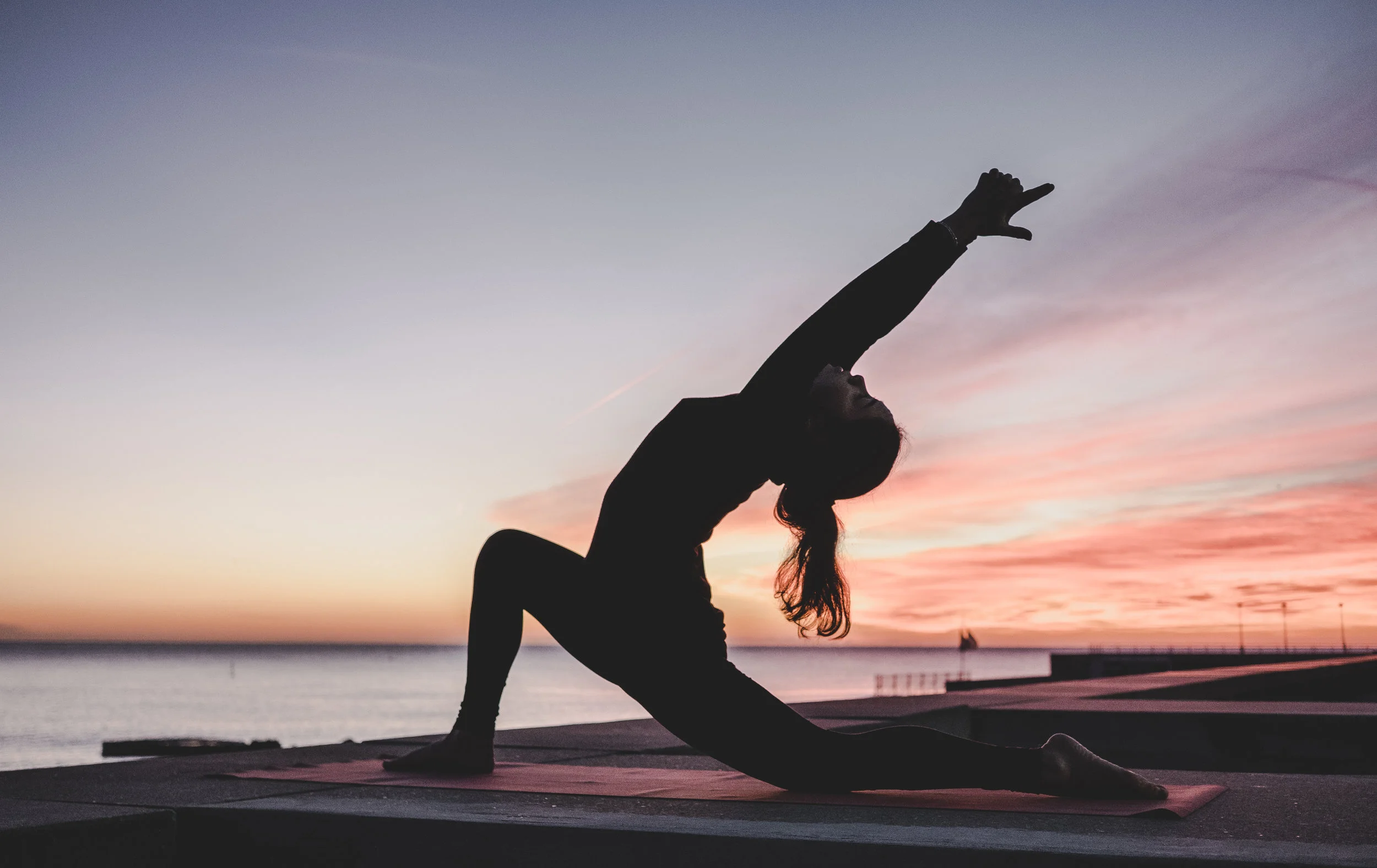
Research shows that those that have a stronger activation of the vagus nerve - cultivated through various practices noted above as well as just deep belly breathing, have more positive emotions on a daily basis. Likely because we get a higher release of oxytocin which in turn reduces stress hormones like cortisol and lowers the activity of the the amygdala (stress centre in the brain). It also helps improve sleep. If that’s not enough, ⅔ of our oxygen exchange occurs in the lower ⅓ of our lungs! Less Oxygen = More Tired
Wow! All that from just breathing!
How to Breathe Properly
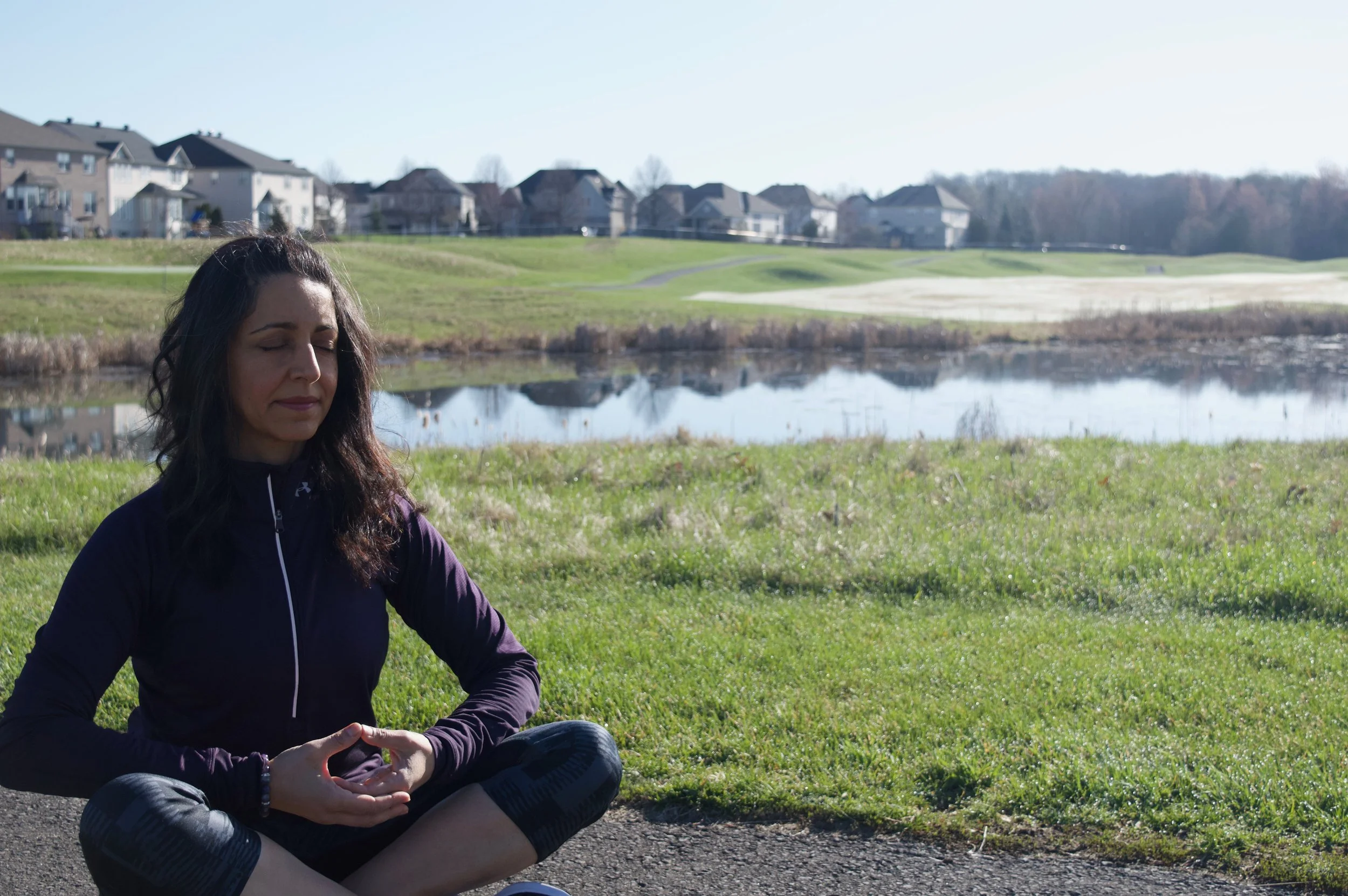
Breathe in through the nose as this is the best way to filter the air we breathe and also increases our oxygen intake by 10%. Allow the abdomen to rise with every inhale. This is also better for reducing shoulder tension. Then exhale slowly.
3 Ways to Incorporate Breathing into Your Day!
Start a morning routine of square breathing; breathe in to the count of 4, hold for 4, breathe out for 4, hold for 4. Repeat 10 times. It’s a great way to start the day!
Whenever you encounter a stressful thought, take the cue to breathe deeply into your abdomen and exhale slowly. Repeat for 1 minute. If this sounds like a mindfulness practice, it’s because it is!
Try a mind body practice like meditation, tai chi, yoga or qigong. Check out this quick 10 min QIGONG practice to get you started!
Breathing is the fastest way to change your state. Try it today and feel better. 😊
Know someone who could use a bit of stress relief? Share this post and spread some joy! ☺️
Disclaimer: The content in this blog is not intended to constitute or be a substitute for professional medical advice, diagnosis, or treatment. Always seek the advice of your doctor or other qualified health care provider with any questions you may have regarding a medical condition. Never disregard professional medical advice or delay in seeking it because of something you have read in this blog or on this website.