

DISCOVER
Wellness
&
Resliency

How to Handle a Rough Day
The other day I had a really rough day. But I had a student that I was teaching and I made sure that they received the most out of each situation: all the teachable moments, all the pearls from each case. In medicine, and I’m sure in many work situations, you think you have to look like you have everything under control and nothing can phase you. At the end of the day I realized that I had forgotten to teach the most important lesson: how to deal with the rough day!
The other day I had a really rough day. But I also had a medical student that I was teaching and I wanted to make sure that they were learning from each situation regardless of my own emotions. I made an effort to take advantage of each teachable moment so that my student had the most beneficial experience. In medicine, and I’m sure in many other work situations, you think you have to appear you have everything under control and nothing can phase you. At the end of the day I realized that I had forgotten to teach the most important lesson: how to deal with the rough day!
We all have them. Sometimes it feels like every interaction is challenging. It might feel like everything that can go wrong does go wrong. It can seem quite overwhelming. So how do you deal with such a day? Here are my tips and how I dealt with my day.
Acknowledge that it’s been a rough day and know that you are not alone. We ALL experience these kinds of days. It’s part of being human. Then, take a moment to bring your hand to your heart (if it doesn’t feel weird - Ok even if it does, just do it- there’s much to be said about the mind-body connection) and say to yourself: “May I be strong. May I be kind to myself.“ Remind yourself that you did the best you could. There is great science behind the benefits of self-compassion and on a tough day, we need to be our own friend (inspired by Kristin Neff).
Breathe deeply for one minute. Repeat often. Whenever I could, I snuck in a minute of just breathing deeply and calmly and reminding myself that, right now, I am OK.
Get some fresh air and go for a walk as soon as you can. There is something amazing about being out in nature and the calming effects it brings. I took quick walk in the quiet, snowy evening.
Find someone to talk to. It doesn’t have to be anyone who will “solve the problem” just someone who will listen. I talked to my husband and my daughter. 🥰
Sit with the pain/ anger/frustration/sadness - not the story just the EMOTION, for 90 seconds and notice how that takes the sting away. Repeat often. This is magic. ✨
Look for things in your life for which you are grateful. There is always something you can appreciate. I appreciated leftovers for dinner so I didn’t have to cook & a warm cup of tea my daughter made for me. 💕
Watch a funny video or show. Laughter is a great way to lift mood. I know you’re thinking of a good video right now!😁
Take care of yourself. What can you do to nurture yourself? For me that meant a warm shower, then curling up with a good book and letting family handle the cleanup after dinner.
Journal - I wrote this! But write whatever comes to you. It’s amazing how this lightens the load and may shed a different perspective. Assume life is happening FOR you and not to you. What’s the lesson in this day?
Know that tomorrow is a fresh start. Life is about progress, not perfection. You cannot change the past but you can choose your next step. That is where the power lies! 🤜🏼
Know someone who’s had a rough day? Pass this on!
Disclaimer: The content in this blog is not intended to constitute or be a substitute for professional medical advice, diagnosis, or treatment. Always seek the advice of your doctor or other qualified health care provider with any questions you may have regarding a medical condition. Never disregard professional medical advice or delay in seeking it because of something you have read in this blog or on this website.

7 Strategies to Avoid Jet Lag
Travel Hacks to Keep You Humming Through the Holidays!
’Tis the season for travel! Yet, crossing time zones can cause jet lag. This can cause significant changes to your body’s function (think gut, sleep, concentration) that may just have you feeling the bah-humbugs instead! This happens because your body’s internal clock, its circadian rhythm, is out of whack. This body clock depends on light exposure and our first bite of the day to synchronize itself. When we travel, these cues are all over the place. So what’s a traveller to do? Below are some travel hacks that will keep you in the holiday spirit!
Travel Hacks to Keep You Humming Through the Holidays!

’Tis the season for travel! Yet, crossing time zones can cause jet lag. This can result in significant changes to your body’s function (think gut, sleep, concentration) and may just have you feeling the bah-humbugs instead! Jet lag happens because your body’s internal clock, its circadian rhythm, is out of whack. This body clock depends on light exposure and our first bite of the day to synchronize itself. When we travel, these cues are all over the place. So what’s a traveller to do? Below are some travel hacks that will keep you in the holiday spirit!
1. Begin adjusting your clock before you leave home. It takes a day for your body to adjust for every time zone you cross. So if the time difference is 3 hours, it will take 3 days to adjust! That can be miserable if you are only travelling for a week or less. So start changing your clock gradually a few days before. For example, if travelling east, start going to bed an hour earlier and waking an hour earlier for a few days. Do the opposite when going west. Also, try to adjust meal times to match closer to the destination time
2. Stay hydrated. Travel, particularly air travel, can dehydrate you more than you know. This affects your whole body, including your focus and concentration. Drink plenty of water or herbal tea throughout your trip and in the days following. Avoid alcohol and caffeinated drinks, which dehydrate you further.
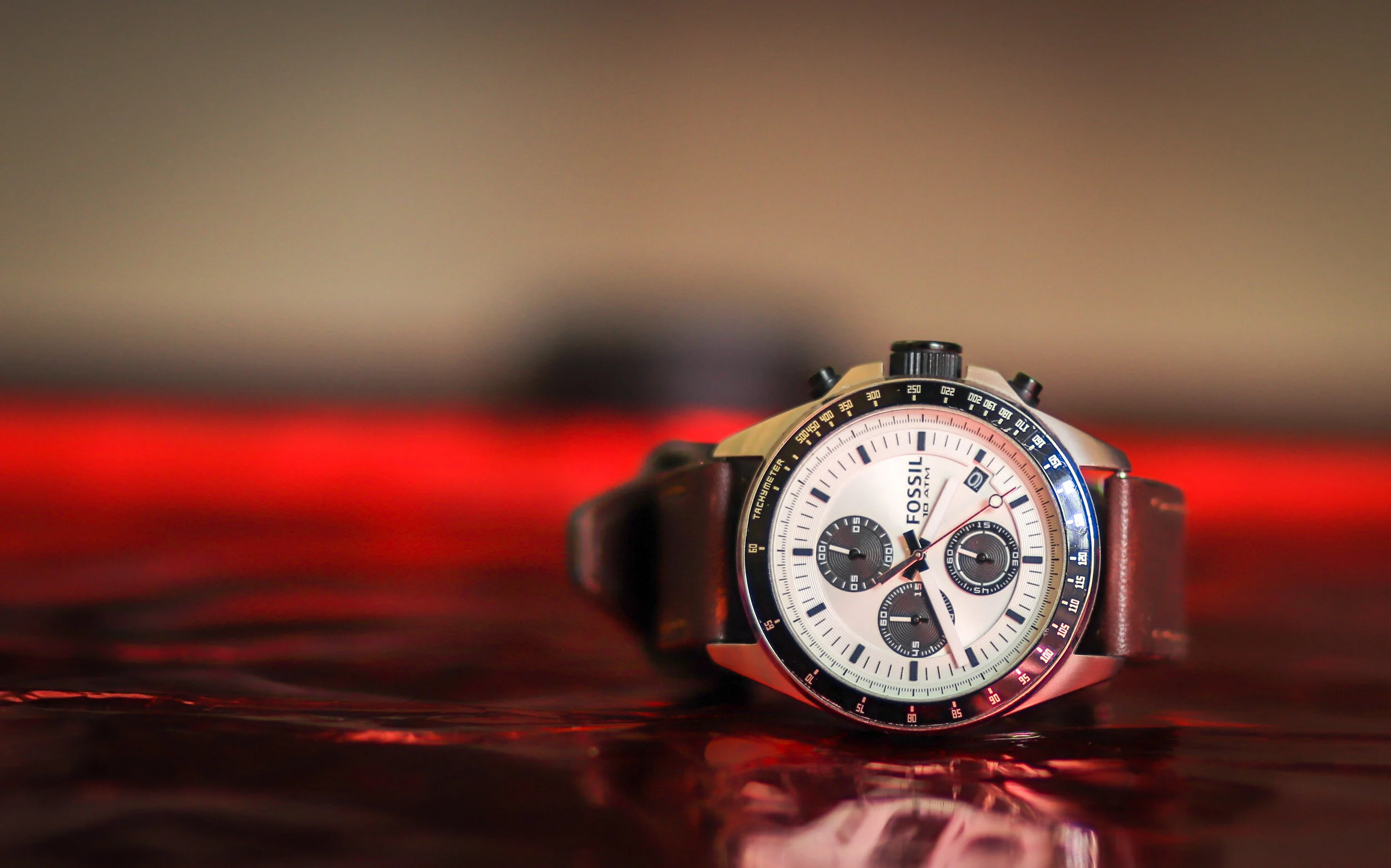
3. Synch up with your destination time. Once on the flight, set your wristwatch to the destination time. If your flight arrives at night, avoid blue light from phones and computers as well as the airplane. Use the travel time to sleep or meditate & listen to soothing music with your eyes closed instead. Use an eye mask to block out extra light. Earplugs or noise-blocking headphones also help keep the atmosphere more serene and protect your ears from excess noise so you can relax. Consider wearing blue-light blocking glasses if you must use a device. The opposite is true if your flight arrives in the day time: avoid sleeping on the plane.
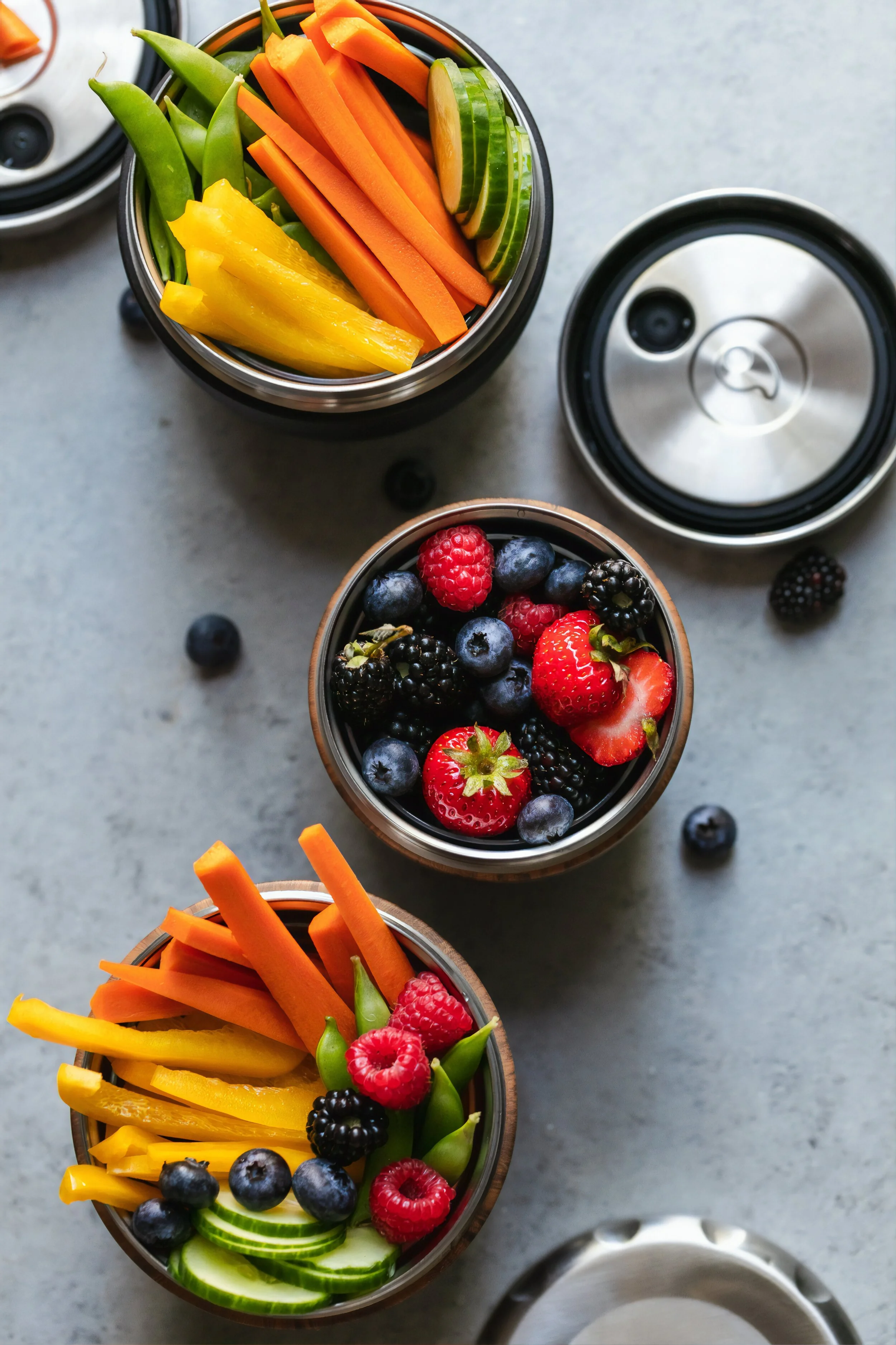
4. To help your body clock adjust quickly, follow the eating schedule of your destination, in flight. So if it’s sleep time in your destination, avoid eating on the plane and grab something light before the trip. If it’s morning in your destination, have breakfast at a time that you usually would, keeping it light and healthy since you are not moving around much. I typically bring fruit and nuts as a snack and even purchase a fresh, green juice or smoothie from the airport to amp the nutrition and keep things light. By eating well, you will feel significantly better in the days following and will enjoy your trip more!
5. Dress in layers. The cabin air can get cool quickly so it helps to keep another layer such as a sweater or a shawl available to keep you comfortable. When you are too cold, muscles can tense up during the flight.

6. Once at your destination, use light exposure to help you adjust more. When travelling westward, increase your exposure to light in the evening to help you stay up. If going eastward, aim to get more light exposure in the morning. Try sticking to the local time for eating and sleeping as much as you can.
7. Travelling many time zones and not sure where to start? Consider using an app to help you. On a recent trip to California, I tried the Timeshirter app and had no issues with jet lag.
Wishing you all happy and safe travels over the holidays! 🧳✈️
Disclaimer: The content in this blog is not intended to constitute or be a substitute for professional medical advice, diagnosis, or treatment. Always seek the advice of your doctor or other qualified health care provider with any questions you may have regarding a medical condition. Never disregard professional medical advice or delay in seeking it because of something you have read in this blog or on this website.
Got pain?
Try These 3 Techniques.
My family and I have certainly had our share of aches and pains, yet we lead very active and full lives! Over the years, we have found some great strategies that we can do ourselves to help us manage these discomforts and stay well. Our three favourite techniques, described below, are a great adjunct to any manual therapy, from physiotherapy and chiropractic treatments to massage, and even to practices like yoga and qigong. The great thing about them is that they are all portable!
Try These 3 Techniques.

My family and I have certainly had our share of aches and pains, yet we lead very active and full lives! Over the years, we have found some great strategies, that we can do ourselves, to help us manage these discomforts and stay well. Our three favourite techniques, described below, are a great adjunct to any manual therapy, from physiotherapy and chiropractic treatments to massage, and even to practices like yoga and qigong. The great thing about them is that they are all portable!
MELT METHOD - Good for releasing tension and realigning the body.

MELT was introduced in 2004, stands for Myofascial Energetic Length Technique. It was created by Sue Hitzmann, a manual therapist, to improve the qualities of connective tissue known as fascia. This creates more balance and stability in muscles and joints. The techniques help restore fluid flow within your body’s fascial network. The Melt Method is a body technique that uses specific balls, rollers and movement techniques to relieve muscle tension and tissue dehydration. I was first introduced to MELT by my Pilates instructor. I was amazed and how effective the gentle techniques were for improving mobility and reducing tension. I loved it so much that I introduced it to my family. We use MELT regularly for improving performance during sports events and workouts, reducing injury, recovering from high impact activities and even treating aches form daily stress! We also always travel with our MELT balls, which help restore sore feet form miles of walking.
The best way to try MELT is to look for a class in your city. Classes are often offered through pilates or yoga studios by trained instructors allowing you to ask questions and see what techniques might suit you best.
To find out more about melt check out the MELT website here.
TAPPING - Portable tool using acupressure points for pain relief.

Tapping, also known as EFT (Emotional Freedom Techniques), is a technique that has been used effectively manage a range of issues, including anxiety and chronic pain. I discovered the method several years ago when a friend of mine mentioned it to me. Then it was discussed again while I was taking my MBSR (Mindfulness-Based Stress Reduction) course in Toronto. Of course, I had to give it a try! I use Tapping for many things, but my favourite application of this technique is for pain management. Tapping can be a great adjunct to other modalities. The brilliant part about Tapping is that it's portable and you don't need any equipment, making it always available. The book, The Tapping Solution for Pain, by Nick Ortner, is a great place to start. It takes the technique even further to helped uncover the emotional aspects of pain as well as longstanding beliefs that can contribute to discomfort, resulting in a very comprehensive approach.
So how does Tapping work? Tapping is based on the use of acupressure points and some principles of psychology. You begin by tapping with the fingertips on specific acupressure points on the body while focusing on negative emotions or physical sensations. This sends a calming signal to the brain's stress centre, the amygdala, and helps to calm the nervous system. Studies show that while Tapping, the brain actually changes its brain waves, similar to what is seen with meditation. Studies have also shown that Tapping improves immune markers and reduces cortisol levels, indicating stress reduction.
I often use tapping on its own when I experience a general headache or to reduce the soreness after a workout. It can take 5 to 10 minutes but sometimes 15 to 20 minutes and may require multiple sessions to see a significant benefit.
Try this tapping meditation from The Tapping Solution to get a taste of what Tapping is like!
FOUNDATION TRAINING - Improves posture and back pain
Foundation Training (FT), is new to our family’s toolbox, yet it has had a great impact. This is another technique that requires no equipment and can be done anywhere! Created by chiropractor Eric Goodman, who used the technique to that his severe back pain, it uses gravity and simple movement techniques to strengthen the muscles in your back-body, known to manual therapists as the posterior chain. This helps to undo the stress from our daily activities that mostly activate the front of our body, causing an imbalance and pain. Particularly useful if you have a sedentary lifestyle, this is a technique you can use throughout the workday to help you maintain better posture and feel better. The technique is particularly useful for back pain. We love to use the FT exercise throughout the day to decompress our bodies from all the sitting and to help activate the right muscles before a workout. FT is used by many athletes and even celebrities like Chris Hemsworth.😉 For more information go to Foundation Training
See Dr. Goodman’s TedX Talk here.
These modalities should not be considered a replacement for proper medical evaluation and it is always best to check with your healthcare practitioner to ensure it is safe for you to use these techniques
Know someone who could use a bit of stress relief? Share this post and spread some joy! ☺️
Disclaimer: The content in this blog is not intended to constitute or be a substitute for professional medical advice, diagnosis, or treatment. Always seek the advice of your doctor or other qualified health care provider with any questions you may have regarding a medical condition. Never disregard professional medical advice or delay in seeking it because of something you have read in this blog or on this website.