

DISCOVER
Wellness
&
Resliency

THE POWER OF HAPPINESS
WHAT IF YOU COULD SPREAD HAPPINESS?
Turns out that happy people create more happy people, according to the Framingham Heart Study. Find out how powerful happiness is and ways to cultivate it in the blog below!
WHAT IF YOU COULD SPREAD HAPPINESS?

Turns out that happy people create more happy people, according to the Framingham Heart Study. This was a study that was started in 1948, initially to follow a group of people to look at heart disease. Over time they followed the second and third generations of the initial study group and have expanded to look at other factors and influences of health. Their results show that happiness is contagious to 3 degrees. So if you are happy, then your friend, their friend and their friend’s friend are more likely to be happy. In other words, your happiness has a ripple effect through your social network! Although we don’t really know how this works, there are many theories such as happy people treat others better or even a psychoneuroimmunological (say that 10 times fast!) change. A psychoneuroimmunological change just means the chemicals and hormones in your body might change. There are some limits, such as the distance we are from one another. However, someone who is happy will increase the chance of their friend becoming happy by 25%!
SHOW SOME KINDNESS AND SPREAD THE HAPPY

Hmmm. Well, we have heard it before: “obesity is contagious”, “smoking is contagious.” Parents have also heard that kids will do “as they see” and not “as they are told.” To me, that just shows the influence we have over people who are near to us. By working on our own health and wellbeing, we can have a ripple effect within our society. It’s also important to remember that this doesn’t mean we only focus on ourselves. Studies have also shown that acts of kindness boost our well-being while helping the recipient as well.
So, what will you do to SPREAD SOME HAPPINESS today?

HAPPINESS BOOSTING PRACTICES:
Try a little gratitude to boost your wellbeing! it!
Feel better with square breathing in just minutes!
Try this loving-kindness meditation to boost your happiness today
OTHER LINKS
Disclaimer: The content in this blog is not intended to constitute or be a substitute for professional medical advice, diagnosis, or treatment. Always seek the advice of your doctor or other qualified health care provider with any questions you may have regarding a medical condition. Never disregard professional medical advice or delay in seeking it because of something you have read in this blog or on this website.
Know someone who could use a bit of stress relief? Share this post and spread some joy! ☺️

PROTEIN
Where Should Your Protein Come From?
Why should we eat protein? What’s the best source? Can what we eat affect longevity? Read on to find the answers!
Where Should Your Protein Come From?

Protein is an essential macronutrient we need for a regular source of amino acids. Amino acids are used by our body uses to make tissue like muscle, bone, skin, repair cells and make new ones and make products like hormones and enzymes. It's essential to make sure that we have some at each meal. The reality is that the amount of protein you need really varies with age, activity level, other medical conditions. Thus, reviewing your intake with a registered dietician can be helpful. Although we tend to focus on animal-based proteins in our diets, more research shows that adding increasing plant proteins may be healthier. Concentrating on animal-based protein in our food has been associated with higher death rates and a higher risk of heart disease and some cancers. Most research has only compared soy and wheat proteins to animal proteins, so we cannot get an adequate representation of all plant-based proteins.
THE SUPPORT FOR MORE PLANTS:
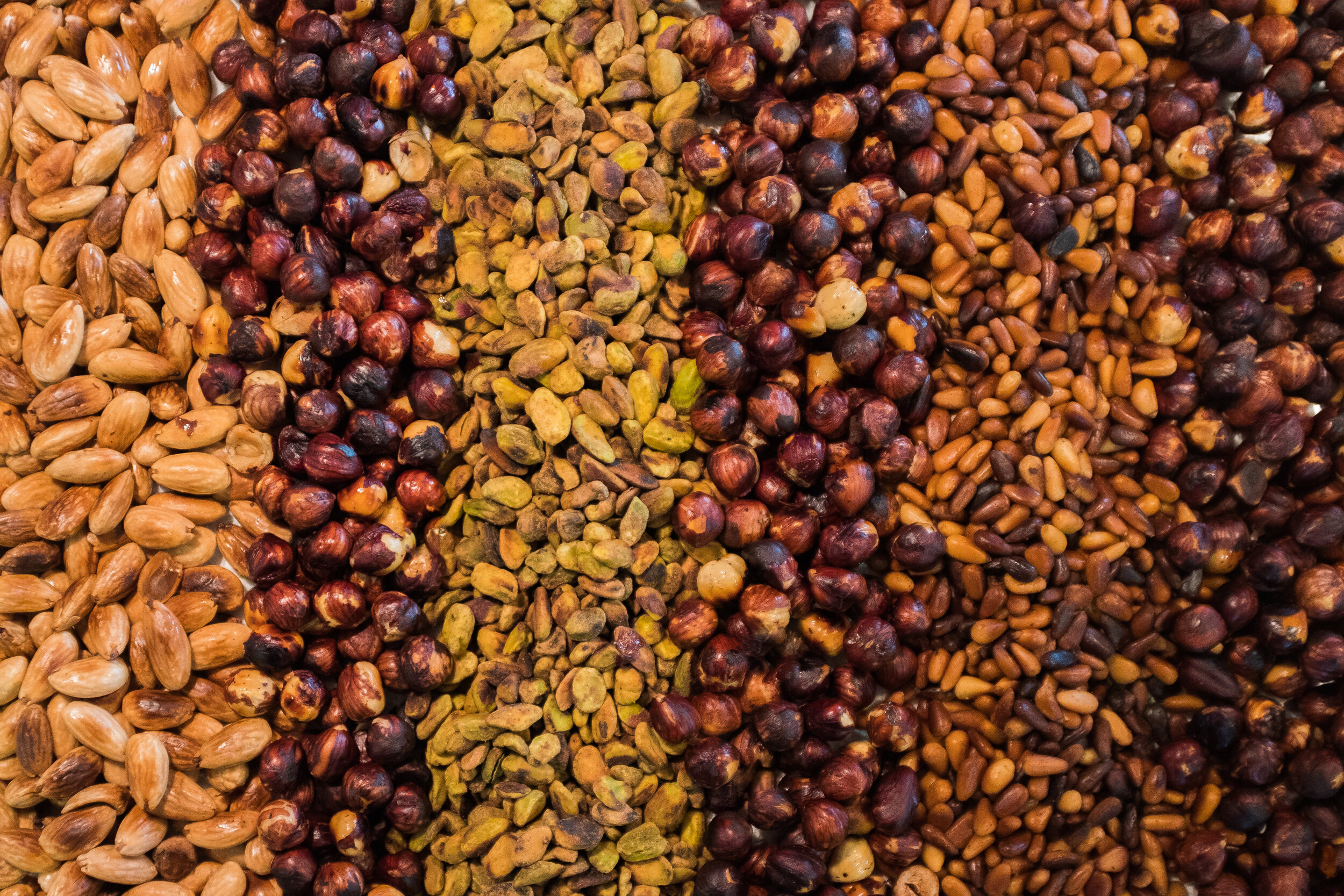
To clarify some of the information, a recent systemic review (a review of multiple studies), published in the British Medical Journal, looked at studies spanning 3.5 to 32 years and included over 700,000 participants. The analysis showed that plant-based protein consumption was significantly associated with a lower risk of death from all causes and heart disease. Increasing plant proteins by just 3% a day was associated with a 5% lower risk of death. Similar results were also seen in a recent study in the Journal of the American Medical Association, which followed over 400,000 participants over 16 years.
THE CANADA FOOD GUIDE

These findings support what the new Canada Food Guide already suggests: eating more plant-based proteins from sources such as nuts, seeds, beans, peas, lentils and soy as they also offer more fibre. Check out their website for more information and recipes! When making dietary changes, it's essential to review them with your own healthcare provider to make sure it's right for you! Adding more plant-sourced protein to your diet could affect longevity. So, where does your protein come from?
Know someone who could benefit from this post? Share this post and spread some joy! ☺️
Disclaimer: The content in this blog is not intended to constitute or be a substitute for professional medical advice, diagnosis, or treatment. Always seek the advice of your doctor or other qualified health care provider with any questions you may have regarding a medical condition. Never disregard professional medical advice or delay in seeking it because of something you have read in this blog or on this website.

Emotional Wellbeing
Managing the Emotional Ups and Downs of Staying at Home
Sometimes we all need a little more emotional support. Check out the many resources and strategies in blog below!
Managing the Emotional Ups and Downs of Staying at Home:
Sometimes we all need a little more emotional support. Feelings of loss over what was "normal life" and worry about what the future can bring a feeling of being unsafe. By now, many of us have likely circled through feelings of anger, sadness, frustration, grief and fear. Eventually, we will come to a place of acceptance. Acceptance doesn't mean complacency but first not trying to "fight" with where you are now and just doing what you can to move forward. We can use our energy more productively and focus on what we can control, what options we have and even find gratitude in our preset. We can move forward, and we can balance out the negativity with some good. For example, if you hear many people are dying, remember that over 80% recover. If you read, “There's no cure," know that clinicians and researchers are looking at many treatment options, and some options are helpful already. Maybe we will find a vaccine or better treatment. These are all possibilities.
STRATEGIES TO HELP YOU FEEL BETTER:

When we face stress, it’s also helpful to know that we are not alone. There are many in the same or similar financial or health circumstances. It’s also important to recognize this when dealing with others so you can interact with compassion. If someone doesn’t return a call or is more irritable, remember they are also trying to manage and do the best they can.
To process a negative emotion, take the time to feel it and even label it. "This is sadness." Then breathe and sit with it for just 90 seconds to help the emotion to process and pass. It is also helpful to talk about your feelings with someone that supports you. However, set boundaries on how much negative talk you do. For example, you could spend 10 minutes each talking about challenges. Then use the rest of the time talking about something fun, something you appreciate or something you are looking forward to doing.

It’s equally important to carve out time to rest and restore! Now more than ever, breaks are essential. Just because you are home most of the time, it doesn't mean you don't take time to rest up. Take a walk outside, meditate, watch a funny video, have a cup of tea and breathe, take a short nap, read or sit and do nothing! There are many ways to nurture yourself. If you are not sure what to do, take a deep breath, focus on your heart, breathe and ask yourself, what do I need now? Let the answer float up from your heart centre, not your head.
Think about helping others or thanking them! Science has shown that helping others is a sure way to boost one's sense of well-being and lift your spirits. A study done by Alex Wood looked at the benefits of even writing a letter of gratitude to someone who you felt helped you in some way. By writing a letter a week for three weeks, students had better overall mental health than those who wrote about their troubles or the group that did no writing. The impressive thing was that students didn't even have to send the letter; they just wrote it!
MORE SUPPORT

Finally, there may be times when you recognize that you or someone else needs more support. So below are some resources that you may find helpful. These resources are not a substitute for medical attention from your family doctor or your therapist. Always make sure you speak to your health care professional for any serious situation.
RESOURCES:
Your Family Doctor or Therapist
Kidshelpphone.ca ages 5-20
Crisis Service Canada 1-833-456-4565
ONLINE RESOURCES:
What to Say When Helping a Friend: I really love these 5 GOLDEN RULES from bethere.org
Affordable online therapy and resources. Convenient mental health services in that they are all virtual video sessions, considerably more affordable with the first session free and confidential. Created by a family and emergency physician in Brantford, Ontario and a technology expert. It is an online format where you fill out a questionnaire to help find the right professional counsellor for you.
“BounceBack® is a free skill-building program managed by the Canadian Mental Health Association (CMHA). It is designed to help adults and youth 15+ manage low mood, mild to moderate depression and anxiety, stress or worry. Delivered over the phone with a coach and through online videos, you will get access to tools that will support you on your path to mental wellness. BounceBack® gives you access to materials and resources that can be customized to fit your needs. You will have access to workbooks, activities, videos, and a trained coach who can provide up to six telephone sessions.”
A list of resources mental health in Canada and the US
Created by Shine is “an award-winning app and community that will help you struggle less with anxiety.”
Video-based peer-based support group around COVID-19
COVID Self Care Resilience Guide
A self-care and resilience guide by Mental health First Aid Canada

APPS:
Headspace: offers free mediations during Covid-19
The TappingSolution App: offering free tapping mediations
Calm: offering free mediations
Disclaimer: The content in this blog is not intended to constitute or be a substitute for professional medical advice, diagnosis, or treatment. Always seek the advice of your doctor or other qualified health care provider with any questions you may have regarding a medical condition. Never disregard professional medical advice or delay in seeking it because of something you have read in this blog or on this website.
Know someone who could use a bit of stress relief? Share this post and spread some joy! ☺️